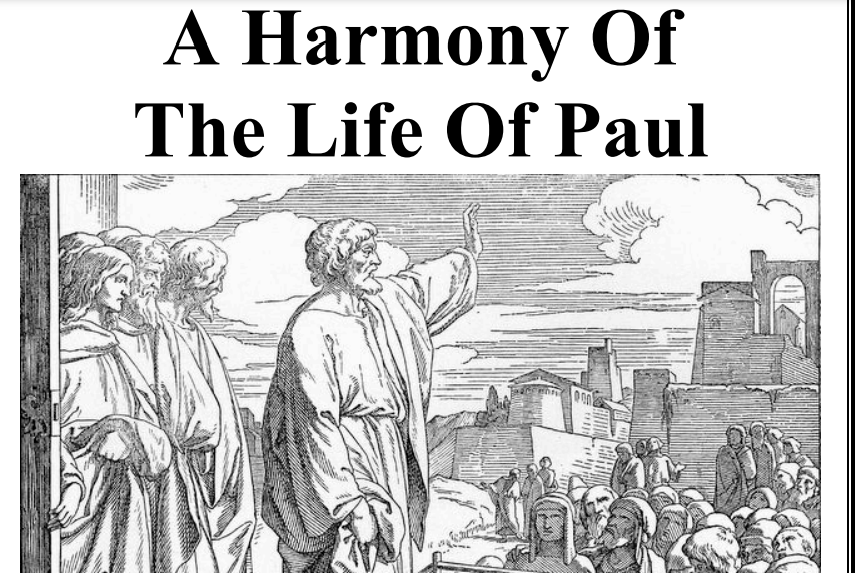

George Whitefield is remembered as one of the most powerful Christian evangelists in history. His life story continues to inspire believers, historians, and students even today. This PDF book summary will help you understand his journey, his struggles, his achievements, and how he became a leading voice in the Great Awakening. Written in simple Indian English, this summary is perfect for readers who want a clear and meaningful understanding of his life.
Early Life and Background
George Whitefield was born on 16 December 1714 in Gloucester, England. His family owned the Bell Inn, a small hotel, but life was not very easy. As a young boy, he faced many challenges, especially after his father passed away. His childhood hardships shaped his personality and helped him understand the real problems faced by common people. This experience later made his preaching more emotional and powerful.
Whitefield studied at Oxford University, where he joined the “Holy Club,” a small group of students who were deeply interested in spiritual discipline and Christian values. This group included the Wesley brothers, John and Charles Wesley, who later became founders of the Methodist movement. Whitefield’s time at Oxford changed his life completely. He spent long hours reading the Bible, fasting, and trying to understand the purpose of his life.
Calling Towards Ministry
During his university years, Whitefield experienced a strong spiritual awakening. He felt that God was calling him to preach and guide others toward the Christian faith. His passion for preaching grew stronger, and soon, he became a well-known figure in the religious community.
After completing his studies, he was ordained as a minister in the Church of England. His sermons were filled with emotion, energy, and deep spiritual meaning. People felt connected to his words because he spoke directly to their hearts. His ability to communicate complex ideas in simple language made him extremely popular.
Rise as a Powerful Preacher
George Whitefield’s preaching style was unique. He used dramatic expressions, strong voice control, and emotional storytelling. His sermons were not boring or difficult to understand. Instead, they were full of life and easy to follow. He often preached outdoors so that more people could listen. This was unusual during his time, but it helped him reach thousands of people who did not go to church.
His outdoor preaching became a major attraction. People from all backgrounds—poor, rich, farmers, workers, women, and even children—stood for hours just to hear him speak. His energy was so powerful that many people reportedly cried, prayed, or even changed their entire lifestyle after listening to him.
The Great Awakening
George Whitefield was one of the key leaders of the Great Awakening, a major religious revival that spread across Britain and the American colonies in the 18th century. This movement encouraged people to reconnect with God, focus on moral values, and build a more spiritual society.
Whitefield travelled across the Atlantic Ocean multiple times to preach in America. He delivered thousands of sermons to huge crowds. In some places, more than 20,000 people gathered to hear him. His strong voice and natural stage presence made him one of the most influential public speakers of his time.
He also worked closely with other religious leaders, but he remained independent in his views. His message focused on personal faith, inner transformation, and the importance of living a disciplined spiritual life.
Challenges and Criticism
Even though millions admired him, George Whitefield also faced criticism. Some church leaders felt jealous of his popularity. Others did not agree with his preaching style or his public outdoor sermons. He was also involved in debates related to slavery. While he supported the idea of establishing an orphanage in Georgia, he also made controversial decisions about the use of enslaved labour in the colony. These actions continue to be discussed by modern historians.
However, despite the criticism, Whitefield’s overall influence on Christian history cannot be denied. His message reached ordinary people at a time when religion felt disconnected from daily life. He helped bring spiritual energy back into society.
Personal Life and Character
Whitefield was known for his disciplined lifestyle. He travelled constantly, sometimes preaching three or four times a day. His letters show that he had a deep love for people and wanted to help them grow spiritually. He also started the Bethesda Orphanage in Georgia, one of the oldest child-care institutions in the United States.
Although he was famous, he led a simple life. His main focus was preaching and serving others. He passed away on 30 September 1770 in Massachusetts, USA, after preaching just one day earlier. His dedication was remarkable till his last breath.
Legacy of George Whitefield
George Whitefield’s legacy continues even today. Many churches, institutions, and Christian movements still follow his teachings. He is remembered as a preacher who brought religion closer to the people. His message of faith, repentance, and spiritual renewal influenced millions across continents.
His contribution to the Great Awakening changed the direction of Christianity in America and Britain. Many modern evangelical practices, such as outdoor preaching and emotional sermons, can be traced back to him.
Final Thoughts
This PDF book summary of George Whitefield shows how one man’s strong faith, simple communication, and deep passion transformed the spiritual life of two continents. His story teaches us that dedication, humility, and courage can make a huge difference. Whether you are a student, researcher, or spiritual seeker, his life is full of lessons and inspiration.
If you want to understand the roots of modern Christianity and the history of spiritual movements, George Whitefield’s life story is an important place to begin.
Loading Viewer...